Category: Human Trafficking

  • Human Trafficking And Its Impact On Youth

    Human Trafficking And Its Impact On Youth

    Human trafficking is a global problem that deeply affects young people. Traffickers often target youth due to their vulnerability, making this issue a serious concern. The impact of human trafficking on youth is devastating, causing long-term emotional, physical, and social damage. Understanding this problem and taking action can help protect the most vulnerable members of our society.

    Human Trafficking And Its Impact On Youth
    Human Trafficking And Its Impact On Youth

    Why Youth Are Vulnerable to Human Trafficking

    Young people are particularly at risk of falling victim to human trafficking networks. This vulnerability stems from several factors:

    • Economic hardship: Traffickers often exploit youth in low-income families.
    • Lack of education: Many young people are unaware of the tactics traffickers use.
    • Online dangers: Social media is commonly used to lure youth into trafficking schemes.
    • Homelessness: Youth without stable homes are at higher risk of exploitation.

    For example, Maria, a 16-year-old from a small town, was deceived by a trafficker posing as a recruiter for a modeling agency. She was promised a brighter future but ended up trapped in an exploitative situation.

    The Emotional Impact of Human Trafficking

    The psychological effects of human trafficking on youth are severe and long-lasting. Victims often suffer from:

    • Anxiety and depression: Constant fear and abuse take a toll on mental health.
    • Post-traumatic stress disorder (PTSD): Many survivors struggle with flashbacks and nightmares.
    • Low self-esteem: Victims often feel shame and blame themselves for their situation.

    Take Sam, a survivor who escaped trafficking at 18. He shared, “I couldn’t trust anyone for years. The emotional scars were harder to heal than the physical ones.”

    The Physical Effects on Young Trafficking Victims

    Youth who experience trafficking endure extreme physical abuse and neglect. Common health issues include:

    • Injuries from violence.
    • Malnutrition due to poor living conditions.
    • Chronic illnesses are caused by unsafe environments.

    In some cases, victims are denied access to medical care, which worsens their condition. For young individuals, these effects can lead to lifelong health problems.

    Educational Impact of Trafficking

    Human trafficking disrupts the education of young people. Many victims are forced to leave school, making it difficult for them to return and pursue a future. Without education, survivors face challenges like:

    • Limited job opportunities.
    • A higher risk of re-victimization.
    • Difficulty integrating back into society.

    For instance, a teenage girl rescued from forced labor shared that she struggled to complete her studies because of the gap in her education. “I felt so behind,” she explained.

    Community Actions to Protect Youth

    Communities play a crucial role in preventing human trafficking and safeguarding young people. Here are some effective actions:

    • Raise awareness: Educate youth, parents, and educators about the dangers of trafficking and how to recognize the signs.
    • Provide safe spaces: Create shelters and community centers where at-risk youth can find support.
    • Support education programs: Encourage school attendance and offer scholarships for vulnerable children.
    • Monitor online activity: Teach young people how to stay safe on social media and report suspicious interactions.

    For example, a community in Ohio organized workshops in schools to teach students how to recognize grooming tactics used by traffickers. This initiative empowered youth to protect themselves and report concerns.

    The Role of Technology in Prevention

    Technology is a valuable tool in the fight against human trafficking networks. Apps, social media campaigns, and hotlines help identify and rescue victims. For youth, technology provides:

    • Access to information: Online resources educate young people about trafficking risks.
    • Anonymity for reporting: Youth can report suspicious activity without fear.
    • Quick response systems: Alerts and tracking tools help locate victims faster.

    Organizations like the Polaris Project have used technology to rescue countless trafficking victims, proving its importance in prevention efforts.

    How Survivors Inspire Change

    Youth who escape trafficking often become advocates for change. Their stories raise awareness and inspire action in their communities. Take Lily, who survived trafficking as a teenager. She now works with nonprofits to educate schools and youth centers.

    Lily says, “If I can save even one person from experiencing what I went through, it’s worth it.” Survivors like her remind us of the resilience of young people and the importance of supporting them.

    Conclusion

    Human trafficking has devastating effects on youth, but communities have the power to prevent it. By raising awareness, offering support, and using technology, we can protect vulnerable young people from falling victim to trafficking networks. Every effort counts in creating a safer world for our youth. Together, we can make a difference.

  • Community Actions To Prevent Human Trafficking Locally

    Community Actions To Prevent Human Trafficking Locally

    Human trafficking is a serious issue that affects communities worldwide. However, local efforts can play a powerful role in fighting human trafficking networks. When communities work together, they can raise awareness, identify risks, and create safe spaces for everyone. In this article, we’ll explore effective community actions to prevent human trafficking locally.

    Community Actions To Prevent Human Trafficking Locally
    Community Actions To Prevent Human Trafficking Locally

    Raise Awareness in Your Community

    One of the most effective ways to fight human trafficking locally is through education and awareness campaigns. When people understand what trafficking looks like, they are more likely to recognize and report it.

    Here’s how communities can raise awareness:

    • Host workshops to educate residents about the signs of trafficking.
    • Share informational posters and flyers in schools, workplaces, and public spaces.
    • Use social media to spread messages about human trafficking networks and prevention tips.

    For example, a local high school in Texas organized a week-long campaign to teach students how to identify suspicious activities and report them safely. Awareness is the first step in prevention.

    Build Strong Support Networks

    Communities must build support systems for vulnerable groups, such as at-risk youth, immigrants, and those in unstable living conditions. Providing resources and safe spaces can help reduce the risk of exploitation.

    Effective community actions include:

    • Partnering with local shelters to provide housing for those in need.
    • Creating mentorship programs for young people to offer guidance and emotional support.
    • Working with nonprofits to offer free counseling and legal aid for vulnerable individuals.

    In one neighborhood, a local women’s group established a free hotline for individuals to report trafficking or seek help confidentially. This initiative saved several lives and built trust in the community.

    Support Local Law Enforcement

    Local law enforcement plays a crucial role in disrupting human trafficking networks. Communities can support police efforts by reporting suspicious activities and providing valuable information.

    Actions to consider:

    • Attend community-police meetings to discuss trafficking risks in your area.
    • Form neighborhood watch groups to monitor and report unusual activities.
    • Advocate for local law enforcement to receive specialized training on identifying and handling trafficking cases.

    In Florida, a partnership between community members and police resulted in the rescue of multiple trafficking victims. Collaboration is key to making a difference.

    Organize Fundraisers for Anti-Trafficking Groups

    Many organizations work tirelessly to fight human trafficking, but they often rely on donations to continue their efforts. Local fundraisers can provide much-needed support.

    Some ideas for fundraising include:

    • Hosting charity runs or walks to raise money and awareness.
    • Organizing a community dinner or auction to support anti-trafficking programs.
    • Partnering with local businesses to donate a portion of sales to the cause.

    One small-town bakery hosted a “Cupcakes for a Cause” event, donating proceeds to a local anti-trafficking nonprofit. This simple action raised both money and awareness.

    Advocate for Stricter Laws and Policies

    Communities can push for stronger laws to combat human trafficking networks. Advocacy at the local level can encourage policymakers to take action.

    How to advocate effectively:

    • Write letters to local representatives demanding stricter penalties for traffickers.
    • Start petitions to implement stronger safety measures in businesses like hotels and transportation hubs.
    • Attend town hall meetings to voice concerns about trafficking in your area.

    In California, a grassroots movement led by community members resulted in new legislation requiring hotels to train staff to recognize trafficking. Advocacy makes a difference.

    Engage Local Schools and Businesses

    Schools and businesses are vital in the fight against human trafficking. Educating employees and students helps build a vigilant and informed community.

    Steps to take:

    • Work with schools to include trafficking awareness in their curriculum.
    • Encourage businesses to train employees to spot signs of trafficking in workplaces.
    • Promote “safe spaces” in local businesses, where victims can seek help discreetly.

    For example, a convenience store chain in the Midwest trained its employees to recognize red flags and offer assistance to potential victims. This program led to several rescues and increased community trust.

    Collaborate with Local Faith-Based Groups

    Faith-based organizations often have strong community ties and can play a significant role in preventing trafficking. These groups can provide support, resources, and education to at-risk populations.

    Ways faith-based groups can help:

    • Host prayer gatherings and community discussions about trafficking prevention.
    • Offer shelter and resources to those escaping trafficking networks.
    • Partner with nonprofits to distribute educational materials.

    A church in New York started a volunteer program to distribute trafficking awareness materials at bus stops and train stations, reaching thousands of people.

    Conclusion

    Preventing human trafficking locally requires collective effort and commitment. By raising awareness, supporting vulnerable populations, and working with law enforcement, communities can make a real impact. Every action, no matter how small, contributes to the fight against trafficking networks. Together, we can create safer communities and protect those at risk.

  • Survivors’ Stories About Escaping Human Trafficking

    Survivors’ Stories About Escaping Human Trafficking

    Stories of escaping human trafficking networks reveal the strength of the human spirit. These survivors faced unimaginable situations, yet they found a way to freedom. Their experiences highlight the importance of technology, support networks, and advocacy in fighting human trafficking. By sharing these powerful stories, we can raise awareness and inspire action against this global crisis.

    Survivors’ Stories About Escaping Human Trafficking
    Survivors’ Stories About Escaping Human Trafficking

    The Journey of Freedom

    For many survivors, the road to freedom starts with a moment of realization. They may have been trapped in dangerous situations for months or even years, but something changes that sparks the will to escape. One survivor, named Sarah, was trafficked into forced labor in another country. She says, “I didn’t know how to get out, but I knew I couldn’t stay.”

    With the help of a compassionate stranger, Sarah found her way to safety. It wasn’t easy, but she made it, and now she works to raise awareness about human trafficking. Her story reminds us that even in the darkest moments, there is always hope.

    Technology Helps Survivors Find Their Way

    In some cases, survivors use technology to escape human trafficking networks. An anonymous woman, who wished to be called Maria, was forced into prostitution. She had no way of contacting anyone for help. Then, she learned about a mobile app called the STOP App, which allowed her to send an alert for help without anyone knowing.

    Maria used the app to reach out to local authorities, who helped her escape. She says, “Technology saved my life. Without it, I wouldn’t have known how to reach out for help.” Technology has become a key tool in the fight against trafficking, and for survivors like Maria, it provides a lifeline.

    The Strength to Overcome

    Escaping human trafficking networks is not the end of the journey—it’s just the beginning. Survivors often face physical, emotional, and psychological scars. John, a survivor of child trafficking, explains: “When I finally escaped, I didn’t know who I was anymore. I didn’t trust anyone.”

    John spent years in recovery, with the support of therapists and a network of survivors who helped him heal. Over time, he regained his sense of self and now works with organizations that help prevent human trafficking. His story shows that even after escape, recovery and healing are essential.

    The Role of Support Networks

    Support networks are crucial for survivors. Many have gone on to become leaders in anti-trafficking efforts. These support systems provide survivors with the resources they need to build new lives.

    Sophia, another survivor, was trafficked into domestic servitude. “I had no one,” she shares. “But when I finally escaped, I found people who understood and helped me get back on my feet.”

    With the help of organizations and local groups, Sophia learned job skills and found a safe place to live. She now works as a counselor, helping others who are in situations similar to hers. Her story is a reminder that survivors need more than just safety—they need love, support, and opportunities to rebuild.

    Raising Awareness and Giving Back

    Many survivors become passionate advocates for change. They use their voices to speak out against human trafficking and help others find freedom.

    One survivor, Ben, speaks regularly at schools and community events. “I share my story because I don’t want anyone else to go through what I went through,” he says. Ben now works for a non-profit organization that provides services to trafficking survivors. He believes that sharing their stories is a powerful way to prevent future trafficking.

    These courageous survivors are shining examples of the power of resilience and the importance of speaking up. Their voices inspire others to join the fight against human trafficking.

    Conclusion

    The stories of survivors who have escaped human trafficking are filled with pain, strength, and hope. These individuals have endured unimaginable suffering, but they have also shown incredible courage and resilience. Technology, support networks, and advocacy are all part of their journeys to freedom. By sharing their stories, we can continue to raise awareness and take action against human trafficking. Together, we can work toward a world where no one is ever trapped in these horrific networks again.

  • Technology Fighting Against Human Trafficking Networks

    Technology Fighting Against Human Trafficking Networks

    Human trafficking networks are a major problem worldwide. They harm millions of people every year, especially women and children. Thankfully, technology is stepping in to help. With advanced tools, apps, and global efforts, we can fight back against these networks and protect vulnerable individuals.

    Technology Fighting Against Human Trafficking Networks
    Technology Fighting Against Human Trafficking Networks

    How Technology Tracks Human Trafficking Networks

    Technology is helping in many ways to track human trafficking networks. For example:

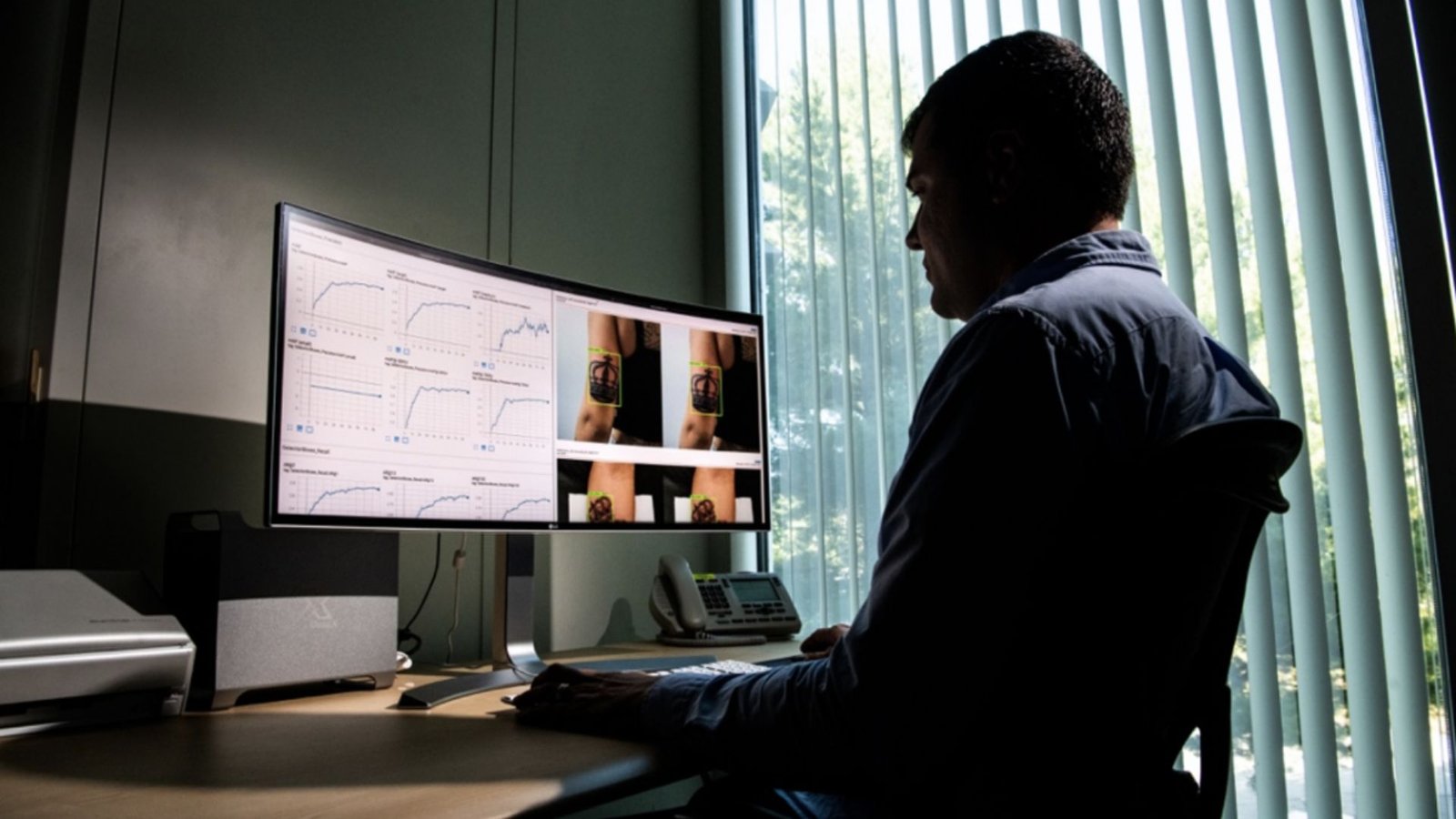
    • Facial recognition software: This tool helps identify victims by scanning photos or videos.
    • Data analysis: Huge amounts of online data are analyzed to find suspicious activity.
    • Geolocation tools: Authorities can track traffickers and rescue victims faster.

    By using these tools, law enforcement can quickly find and shut down trafficking operations.

    Mobile Apps Helping Victims

    Apps are another powerful weapon in the fight against human trafficking networks. Some apps let victims secretly call for help. Others educate the public about warning signs. Here are a few examples:

    1. TraffickCam: Travelers can upload hotel room photos to help match images of trafficked victims.
    2. STOP App: This app allows users to report suspicious activities anonymously.
    3. Be My Protector: It educates communities to spot traffickers.

    These apps empower people to take action and protect others.

    Artificial Intelligence (AI) Detects Criminal Behavior

    AI is a game-changer in fighting human trafficking networks. It can:

    • Identify patterns in online advertisements for illegal services.
    • Monitor suspicious transactions, like large sums of money moving across borders.
    • Detect unusual online communication between traffickers.

    With AI, governments and organizations can prevent trafficking before it happens.

    Social Media Platforms Taking Action

    Social media platforms play a big role in stopping human trafficking networks. Traffickers often use these sites to find victims. But now, social media companies are using tools like:

    • Content filters: These block harmful posts or ads.
    • Reporting systems: Users can flag suspicious accounts.
    • AI monitoring: AI scans platforms for illegal activity.

    With these measures, social media is becoming safer for everyone.

    Global Collaboration Makes a Difference

    Fighting human trafficking requires teamwork. Many countries now share resources and information to stop traffickers. Global databases, like INTERPOL’s human trafficking database, help track criminals across borders.

    Nonprofit organizations, governments, and tech companies also work together. For example:

    • Tech Against Trafficking: This group develops new tools to fight trafficking.
    • Polaris Project: It runs hotlines to report trafficking and connects victims with help.

    Collaboration ensures no one is fighting alone.

    Education and Awareness

    Technology is not only about tools but also about spreading awareness. Online campaigns, videos, and websites teach people about the dangers of human trafficking networks. They also share tips to stay safe, such as:

    • Avoiding suspicious job offers online.
    • Being cautious with personal information on social media.
    • Knowing how to report trafficking if you see it.

    When more people know what to look for, traffickers lose power.

    Conclusion

    Human trafficking networks are dangerous, but technology gives us hope. With tools like AI, apps, and global collaboration, we can protect lives and stop these networks. The fight is not easy, but every step forward makes a difference. Together, we can build a safer world for everyone.

  • Human Trafficking Laws Around The World Explained

    Human Trafficking Laws Around The World Explained

    Human trafficking is a crime that affects millions worldwide. To combat this, many countries have created strict laws. Human Trafficking Laws Around The World highlight the global efforts to stop trafficking. From international agreements to national regulations, these laws aim to protect victims and punish traffickers. Let’s explore how different nations and organizations are working together to fight this issue.

    Human Trafficking Laws Around The World Explained
    Human Trafficking Laws Around The World Explained

    International Laws Against Human Trafficking

    Several global agreements address human trafficking. The United Nations Protocol to Prevent, Suppress, and Punish Trafficking in Persons (also called the Palermo Protocol) is a key law. It focuses on prevention, victim protection, and prosecution of traffickers. Many countries follow this protocol to create their laws.

    Another important international law is the Universal Declaration of Human Rights. It states that no one should be held in slavery or servitude. Organizations like the United Nations use this to push for stronger anti-trafficking measures worldwide.

    Human Trafficking Laws in the United States

    The United States has some of the strongest human trafficking laws. The Trafficking Victims Protection Act (TVPA) is a major example. It focuses on:

    • Preventing trafficking through education.
    • Protecting victims with support services.
    • Prosecuting traffickers with severe penalties.

    The U.S. also monitors other countries through its Trafficking in Persons (TIP) Report, which ranks nations based on their anti-trafficking efforts.

    European Union’s Approach to Human Trafficking

    The European Union (EU) has strict laws against trafficking. The EU Directive 2011/36/EU focuses on victim protection, criminal justice, and prevention. It requires member states to punish traffickers and support survivors.

    The EU also works with non-EU countries to stop cross-border trafficking. For example, Europol helps track and arrest international trafficking networks.

    Human Trafficking Laws in Asia

    Asia faces significant trafficking challenges, but many countries are strengthening their laws. For example:

    • India has the Immoral Traffic (Prevention) Act, which focuses on protecting women and children from exploitation.
    • Thailand enforces the Anti-Human Trafficking Act, which aims to stop labor and sex trafficking.
    • Philippines has the Anti-Trafficking in Persons Act, one of the most comprehensive laws in the region.

    These laws are supported by regional organizations like the ASEAN (Association of Southeast Asian Nations), which promotes cooperation to stop trafficking.

    African Nations’ Fight Against Trafficking

    In Africa, human trafficking laws vary by country. Many nations follow the African Union’s Plan of Action Against Trafficking. For example:

    • South Africa has the Prevention and Combating of Trafficking in Persons Act, which includes harsh penalties for traffickers.
    • Nigeria has the Trafficking in Persons (Prohibition) Enforcement and Administration Act, focusing on victim rehabilitation.

    Regional cooperation, like the ECOWAS Plan of Action, also helps combat trafficking in West Africa.

    Challenges in Enforcing Trafficking Laws

    Despite strong laws, enforcement remains a challenge. Corruption, lack of resources, and weak judicial systems allow traffickers to escape punishment. In some countries, victims fear reporting crimes because of poor support systems or fear of retaliation.

    How to Strengthen Human Trafficking Laws

    To improve global efforts, governments and organizations must:

    • Increase funding for enforcement and victim support.
    • Train police and legal professionals to handle trafficking cases better.
    • Promote international cooperation to target cross-border trafficking networks.
    • Raise awareness to help communities identify and report trafficking.

    Conclusion

    Human Trafficking Laws Around The World play a critical role in protecting victims and punishing traffickers. From international agreements like the Palermo Protocol to regional and national laws, every effort counts. However, challenges like corruption and weak enforcement remain. By improving cooperation and raising awareness, we can make these laws more effective and protect more lives.

  • Human Trafficking Effects On Global Economies Today

    Human Trafficking Effects On Global Economies Today

    Human trafficking is a global problem. It hurts individuals and entire economies. Human Trafficking Effects On Global Economies highlights how this illegal activity creates challenges for countries worldwide. From lost income to weakened industries, its effects are severe. Let’s explore how trafficking damages economies and what can be done to stop it.

    Human Trafficking Effects On Global Economies Today
    Human Trafficking Effects On Global Economies Today

    Loss of Productivity

    Human trafficking causes a big loss in productivity. Victims are forced into work without fair pay. They cannot contribute to the economy properly. This loss of talent and skill is a waste. For example, industries like agriculture and construction often use trafficked labor. If treated fairly, these workers could create more value and help grow the economy.

    Unfair Competition

    Human trafficking makes markets unfair. Businesses that exploit trafficked workers can sell products at lower prices. They don’t follow labor laws or pay fair wages. This hurts honest companies that play by the rules. Ethical businesses struggle to compete, and this creates economic inequality.

    Strain on Public Resources

    Governments spend a lot of money fighting human trafficking. They need funds for law enforcement, victim care, and awareness programs. These expenses reduce money available for other public needs like education and healthcare. The financial burden makes it harder for economies to grow.

    Reduced Tax Revenue

    Trafficked workers often work in illegal jobs or unregulated industries. Their income is not taxed. This lowers government tax revenue. Without these funds, governments cannot invest in infrastructure or social programs. Over time, this weakens the economic stability of a country.

    Weakens Global Supply Chains

    Human trafficking affects supply chains worldwide. Industries like fashion, farming, and fishing are especially vulnerable. When companies unknowingly rely on trafficked labor, it damages their reputation. Customers stop supporting these brands, and this leads to financial losses. To avoid this, businesses must monitor their supply chains carefully.

    Increases Corruption

    Human trafficking encourages corruption. Traffickers often bribe officials to avoid punishment. This weakens trust in governments and institutions. Corruption drives away foreign investments because investors prefer stable economies. When trust is lost, economies cannot grow effectively.

    Solutions to Address Economic Impacts

    We must act together to reduce the economic damage caused by trafficking. Here are some key steps:

    • Stronger Laws: Governments must create and enforce strict laws to stop trafficking.
    • Support Ethical Practices: Businesses should adopt fair labor policies and ensure their supply chains are free from exploitation.
    • Raise Awareness: Educating the public helps people recognize trafficking and report it.
    • Help Victims: Providing jobs and education to survivors can help them contribute to the economy.

    Conclusion

    The Human Trafficking Effects On Global Economies are serious. It reduces productivity, lowers tax revenue, and damages industries. It also strains public resources and encourages corruption. However, we can fight back by creating stronger laws, supporting ethical businesses, and raising awareness. Together, we can build a fairer and stronger global economy.

  • How to Make Public Spaces More Accessible

    How to Make Public Spaces More Accessible

    Public spaces are vital for fostering community and inclusion. However, they often lack accessibility for people with disabilities. Ensuring that public spaces are accessible benefits everyone by creating an environment that promotes participation, independence, and equality. This guide explores actionable steps to make public spaces more inclusive and accessible for all.

    How to Make Public Spaces More Accessible
    How to Make Public Spaces More Accessible

    Why Accessibility Matters

    Accessible public spaces allow people of all abilities to participate in social, economic, and cultural activities. Accessibility enhances the quality of life, reduces barriers, and fosters inclusivity. It is not just a legal obligation but a moral imperative to design spaces where everyone feels welcome and valued.

    Incorporate Universal Design Principles

    Universal design ensures that public spaces are usable by people of all ages and abilities without the need for adaptation. It involves creating spaces that are intuitive, flexible, and inclusive.

    • Examples of Universal Design
      • Wide, unobstructed pathways.
      • Ramps alongside stairs.
      • Elevators with Braille and auditory signals.

    Benefits
    Universal design not only supports individuals with disabilities but also helps parents with strollers, older adults, and others with mobility challenges.

    Improve Physical Accessibility

    Physical barriers are one of the biggest obstacles in public spaces. Removing these barriers ensures equal participation.

    • Install Ramps and Elevators
      Provide ramps with gentle slopes and elevators in multi-story buildings.
    • Accessible Parking
      Designate parking spaces close to entrances with enough space for wheelchair users to exit and enter vehicles comfortably.
    • Restroom Accessibility
      Ensure public restrooms have stalls large enough to accommodate wheelchairs, grab bars, and low sinks.
    • Seating and Rest Areas
      Place benches or seating areas at regular intervals for individuals who may need to rest.

    Enhance Signage and Wayfinding

    Navigating public spaces can be challenging for people with visual or cognitive impairments. Effective signage ensures everyone can move through spaces independently.

    • Tactile and Braille Signs
      Install Braille and raised-text signage near entrances, elevators, and restrooms.
    • High-Contrast Colors
      Use high-contrast text and backgrounds for better visibility.
    • Auditory Cues
      Provide audio directions or announcements in spaces like train stations and airports.

    Ensure Digital Accessibility

    Many public spaces use digital kiosks, websites, and apps for navigation, ticketing, or information. Digital accessibility is essential for people with visual, auditory, or cognitive disabilities.

    • Accessible Kiosks
      Ensure kiosks have voice guidance, screen readers, and tactile buttons.
    • Website Accessibility
      Use Web Content Accessibility Guidelines (WCAG) to make public space websites user-friendly for people with disabilities.
    • Hearing Loops
      Equip spaces like auditoriums and conference rooms with hearing loops for people with hearing aids.

    Train Staff in Accessibility Awareness

    Staff working in public spaces should understand how to assist individuals with disabilities respectfully.

    • Accessibility Training
      Train staff to recognize various disabilities and provide assistance. For example, staff should know how to guide someone who is visually impaired.
    • Customer Service
      Teach staff how to communicate effectively, such as speaking clearly for people with hearing impairments or offering alternatives for those who cannot read printed materials.

    Use Inclusive Technology

    Technology can bridge the gap between accessibility and functionality in public spaces.

    • Apps for Accessibility
      Develop or promote apps that provide real-time navigation, wheelchair accessibility details, or sign language interpretation.
    • Assistive Devices
      Provide assistive devices like wheelchairs, walkers, or mobility scooters for public use in large venues.

    Engage with People with Disabilities

    The most effective way to ensure public spaces are accessible is to involve people with disabilities in the planning and design process.

    • Consult with Advocacy Groups
      Partner with local disability organizations to identify areas for improvement.
    • User Testing
      Have people with disabilities test spaces and provide feedback. This can reveal overlooked barriers.

    Conclusion

    Making public spaces accessible is a shared responsibility that benefits everyone. By incorporating universal design, improving physical and digital accessibility, and engaging with people with disabilities, we can create inclusive spaces where everyone feels valued and included. Accessibility is not just a feature—it is a necessity for building a fair and equitable society.

  • Ways To Spread Awareness About Human Trafficking

    Ways To Spread Awareness About Human Trafficking

    Spreading awareness about human trafficking is crucial to stopping it. Awareness helps people recognize signs of trafficking and prevents exploitation. Let’s explore some effective ways to spread awareness about human trafficking and make a real difference.

    Ways To Spread Awareness About Human Trafficking
    Ways To Spread Awareness About Human Trafficking

    1. Organize Community Workshops

    Community workshops are excellent for raising awareness locally.

    • Invite experts to share knowledge about human trafficking.
    • Use real-life examples to explain how traffickers operate.
    • Encourage open discussions so people feel empowered to ask questions.
      Workshops help educate people in your neighborhood and unite them for a common cause.

    2. Leverage Social Media Platforms

    Social media is a powerful tool for spreading awareness.

    • Share informative posts, videos, and infographics about trafficking.
    • Use hashtags like #StopHumanTrafficking to reach a wider audience.
    • Partner with influencers or organizations to amplify your message.
      Social media can reach millions, making it an ideal platform to educate others.

    3. Collaborate with Local Schools

    Education is key to stopping trafficking.

    • Organize school programs to teach students about human trafficking.
    • Provide teachers with resources to include awareness in their lessons.
    • Empower young people to share what they learn with their families.
      Schools are a great place to build early awareness about this issue.

    4. Distribute Informational Flyers and Posters

    Flyers and posters are simple yet effective tools.

    • Please place them in high-traffic areas like bus stops, malls, and libraries.
    • Use visuals and clear language to explain what human trafficking is.
    • Include helpline numbers and ways to report suspicious activities.
      These materials can reach people who may not use social media or attend workshops.

    5. Host Online Webinars and Events

    Online events allow you to reach a global audience.

    • Invite speakers who are experts in combating human trafficking.
    • Use live chat features to engage with participants and answer questions.
    • Record the sessions and share them for ongoing education.
      Webinars are accessible and cost-effective, making them a great option.

    6. Partner with Anti-Trafficking Organizations

    Collaboration strengthens your efforts.

    • Work with organizations that specialize in combating trafficking.
    • Use their resources to host events or run campaigns.
    • Support their initiatives by volunteering or donating.
      Partnerships provide credibility and increase your impact.

    7. Encourage Media Coverage

    Media coverage can spotlight human trafficking issues.

    • Contact local news outlets to feature stories or campaigns.
    • Share personal stories of survivors (with consent) to inspire action.
    • Use radio, TV, and newspapers to spread important messages.
      The media helps bring trafficking issues to the public’s attention quickly.

    8. Create Public Service Announcements (PSAs)

    PSAs are effective in reaching a wide audience.

    • Use video or audio formats to share your message.
    • Focus on clear, concise information about trafficking.
    • Distribute PSAs through local radio stations, TV, or social media.
      These announcements keep the issue fresh in people’s minds.

    9. Participate in Awareness Walks and Rallies

    Public events like walks and rallies grab attention.

    • Organize a march to raise awareness about human trafficking.
    • Encourage participants to carry banners with educational messages.
    • Use these events to distribute informational materials.
      These gatherings show solidarity and raise awareness simultaneously.

    10. Advocate for Policy Changes

    Advocacy ensures long-term change.

    • Petition governments to strengthen laws against trafficking.
    • Encourage funding for anti-trafficking programs and survivor support.
    • Use public campaigns to highlight areas where policies need improvement.
      Policy changes create a safer environment for everyone.

    Conclusion

    There are many ways to spread awareness about human trafficking, from community workshops to social media campaigns. Every effort counts. By educating others, advocating for change, and partnering with organizations, we can help fight this global crisis and protect vulnerable individuals.

    Let me know if you’d like any further tweaks!

  • Understanding Disability Rights: What Everyone Should Know

    Understanding Disability Rights: What Everyone Should Know

    Disability rights are essential human rights that protect individuals with disabilities from discrimination and ensure they have equal access to opportunities, services, and accommodations. Over time, society has made significant strides in recognizing the rights of people with disabilities, but challenges remain. Understanding disability rights is crucial for creating an inclusive and equitable society where everyone can thrive regardless of their abilities. In this article, we will explore what disability rights are, the legal framework that supports them, and why they are so important.

    Understanding Disability Rights: What Everyone Should Know
    Understanding Disability Rights: What Everyone Should Know

    What Are Disability Rights?

    Disability rights refer to the set of laws, policies, and practices that ensure people with disabilities have the same opportunities and protections as those without disabilities. These rights address issues such as access to education, employment, healthcare, public services, and transportation, among others. The goal of disability rights is to eliminate barriers that prevent individuals with disabilities from fully participating in society.

    Disability rights encompass both civil and human rights. These rights are designed to empower individuals with disabilities to live independently, make their own choices, and participate in all aspects of life without facing discrimination.

    Key Legislation Supporting Disability Rights

    Various laws and policies protect the rights of individuals with disabilities. These legal frameworks are instrumental in promoting accessibility, inclusion, and equality for people with disabilities. Some of the most significant laws include:

    The Americans with Disabilities Act (ADA)

    The Americans with Disabilities Act, enacted in 1990, is one of the most important pieces of legislation protecting the rights of individuals with disabilities in the United States. The ADA prohibits discrimination against people with disabilities in employment, public services, transportation, and public accommodations. The law ensures that people with disabilities can access services, buildings, and transportation systems that were previously inaccessible.

    The ADA also mandates reasonable accommodations in the workplace, allowing people with disabilities to perform their jobs effectively. This could include changes in equipment, work schedules, or physical environments to meet the needs of employees with disabilities.

    The Individuals with Disabilities Education Act (IDEA)

    The Individuals with Disabilities Education Act (IDEA) ensures that children with disabilities have access to a free and appropriate public education (FAPE) in the least restrictive environment (LRE). IDEA requires schools to provide individualized education programs (IEPs) for children with disabilities, addressing their unique learning needs and providing necessary supports and services.

    Section 504 of the Rehabilitation Act of 1973

    Section 504 of the Rehabilitation Act is a civil rights law that prohibits discrimination against individuals with disabilities in programs and activities that receive federal financial assistance. It requires schools, hospitals, and other institutions that receive federal funds to provide reasonable accommodations and ensure accessibility for people with disabilities.

    Section 504 was a precursor to the ADA and remains an essential piece of legislation for ensuring that people with disabilities have access to education, healthcare, and other services.

    The Affordable Care Act (ACA)

    The Affordable Care Act (ACA) includes provisions that protect people with disabilities from discrimination in healthcare settings. The ACA prohibits insurers from denying coverage based on pre-existing conditions, including disabilities, and requires health insurance plans to provide essential health benefits. This ensures that individuals with disabilities have access to necessary medical care without facing higher costs or exclusion from coverage.

    How to Advocate for Disability Rights

    Everyone can play a role in advocating for disability rights. Here are a few ways to get involved:

    1. Educate Yourself and Others: Understanding the challenges faced by individuals with disabilities and the rights they are entitled to is the first step toward advocacy.
    2. Support Disability Rights Organizations: Many organizations, such as the National Disability Rights Network (NDRN) and the American Association of People with Disabilities (AAPD), work tirelessly to advocate for disability rights and raise awareness. Supporting these organizations through donations or volunteering can help further their cause.
    3. Advocate for Accessibility: Support policies and initiatives that promote accessibility in public spaces, transportation, and technology. This can include advocating for accessible buildings, websites, and public services.
    4. Speak Out Against Discrimination: If you witness or experience discrimination against people with disabilities, speak up and take action. Report incidents to the relevant authorities and encourage others to do the same.

    Conclusion

    Disability rights are vital to creating a just and inclusive society. Laws like the ADA, IDEA, and Section 504 play a crucial role in protecting individuals with disabilities from discrimination and ensuring they have equal access to opportunities and services. While progress has been made, challenges remain, and continued advocacy is essential to achieving full inclusion and equality. By understanding and supporting disability rights, we can contribute to a more equitable society for everyone.

  • How Social Media Contributes to Human Trafficking

    How Social Media Contributes to Human Trafficking

    In today’s digital age, social media plays a significant role in connecting people, sharing information, and facilitating communication. However, it has also been increasingly exploited by human traffickers as a tool to recruit, exploit, and control vulnerable individuals. While social media platforms offer benefits in terms of connectivity, they have unfortunately become a double-edged sword, enabling traffickers to reach their victims more easily and discreetly.

    How Social Media Contributes to Human Trafficking
    How Social Media Contributes to Human Trafficking

    The Role of Social Media in Human Trafficking

    Social media provides traffickers with direct access to a global audience, allowing them to operate under the radar, manipulate individuals, and lure them into dangerous situations. The following factors explain how social media contributes to human trafficking:

    Recruitment of Victims

    One of the most common ways traffickers use social media is by targeting vulnerable individuals, especially minors, who are more susceptible to online manipulation. Traffickers often pose as legitimate employers, modeling agents, or romantic partners to build trust and gain access to potential victims. They may create fake profiles or impersonate someone else to establish a connection with their targets.

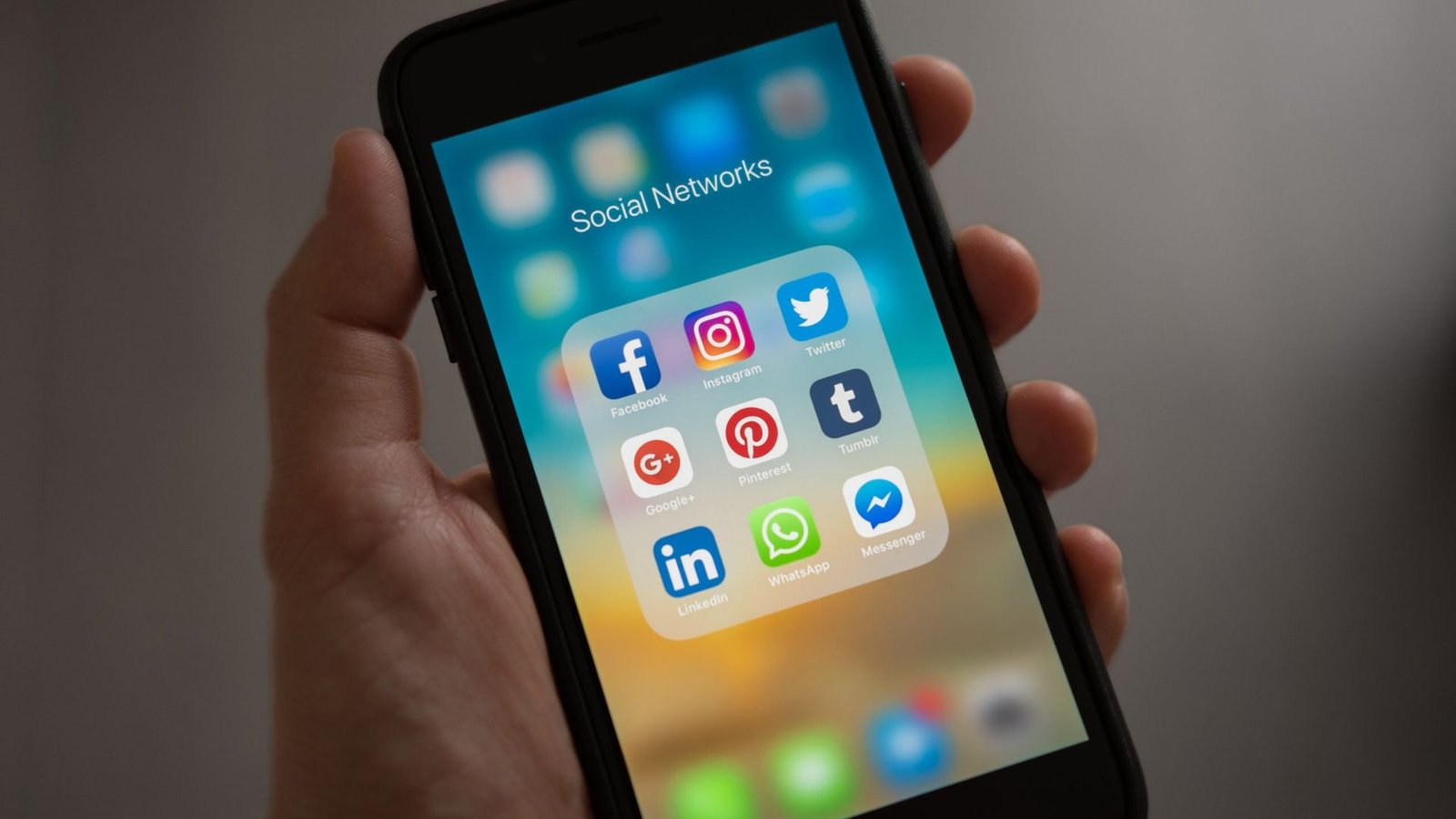
    On platforms like Facebook, Instagram, Snapchat, and even TikTok, traffickers can search for young people who share personal details, such as their location, age, and life circumstances. They may use this information to tailor their approach and offer promises of financial stability, fame, or a better life to entice victims into responding. This grooming process can go unnoticed by the victim’s family or friends, as online interactions may seem harmless at first.

    Exploitation Through Online Advertising

    Social media has become a platform for traffickers to advertise exploitative services such as illegal sex work. Traffickers often use coded language, photos, and hashtags to hide the true nature of the activity, making it difficult for law enforcement and the public to detect. Traffickers may post ads under the guise of offering legitimate jobs, such as “modeling opportunities” or “escort services,” which in reality lead to sexual exploitation and trafficking.

    These ads often target vulnerable individuals who are desperate for work or seeking to improve their circumstances. The lack of regulation on social media platforms allows traffickers to exploit this advertising space to reach a wide range of potential victims. Additionally, the anonymity provided by the internet makes it more difficult for authorities to trace and take action against those responsible for such ads.

    Creating False Narratives and Emotional Manipulation

    Traffickers often exploit the emotional vulnerabilities of their targets, manipulating them into believing false narratives or creating a sense of dependency. They may use social media platforms to gain their victims’ trust by appearing kind, understanding, and empathetic. Through regular communication, traffickers may convince victims that they are in a “romantic relationship” or have a genuine desire to help them.

    This emotional manipulation makes it harder for victims to recognize the danger they are in. Over time, they may feel isolated from their family and friends and become more dependent on their trafficker. Victims are often made to feel as if they have no other choice or escape, as the trafficker continues to control their online interactions and relationships.

    Coercion and Control

    Once traffickers have successfully manipulated and coerced their victims into leaving home or traveling to unfamiliar places, they continue to maintain control over them using social media. In many cases, victims are made to send explicit images or videos of themselves to their trafficker, who may then use these materials to blackmail or threaten them. Victims may feel trapped, believing they have no way to escape without facing severe consequences.

    Social media can also be used by traffickers to monitor their victims’ movements and communications. Through controlling the victim’s online presence, traffickers can restrict their ability to reach out for help, whether to family, friends, or law enforcement. In this way, social media serves as a tool for ongoing manipulation and control, keeping victims isolated and subjugated.

    Lack of Awareness and Digital Literacy

    Many young people, especially those unfamiliar with the risks of online activity, may not recognize the signs of manipulation or exploitation. This lack of awareness can make it easier for traffickers to groom their victims without detection. Without proper digital literacy education, individuals may unknowingly share personal information or engage in risky online behaviors, such as chatting with strangers or meeting people in person without understanding the potential dangers.

    Conclusion

    While social media offers countless benefits, it also provides a platform for traffickers to exploit vulnerable individuals. By understanding how social media contributes to human trafficking, we can take steps to protect ourselves and others from falling victim to this exploitation. Awareness, education, and vigilance are essential in fighting the digital exploitation that leads to human trafficking. Through collective efforts, we can work toward a safer online environment and prevent future exploitation.