Category: Human Rights

  • The Global Fight for Human Rights and Equality

    The Global Fight for Human Rights and Equality

    Balancing Advocacy and Recreation in a Digital World

    Advocating for human rights and environmental justice requires focus, resilience, and moments of rest to recharge. Exploring a trusted online casino can offer a brief and enjoyable escape, helping individuals stay refreshed for the challenges ahead. In today’s digital age, maintaining balance is crucial to sustaining long-term movements. At Berta Cáceres’ foundation, we believe that personal well-being strengthens collective action.

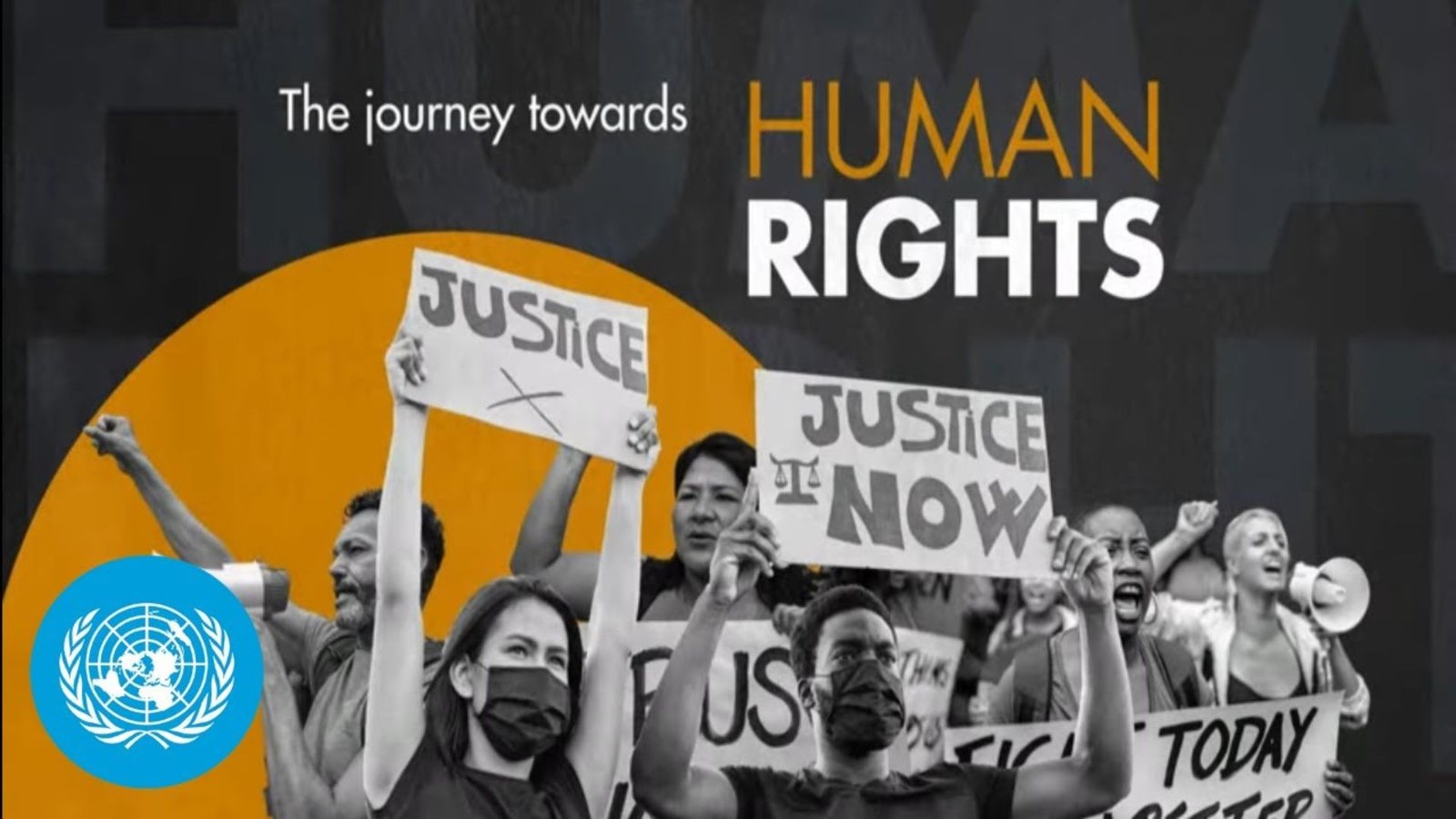
    Human rights are the basic rights and freedoms that every person deserves, no matter where they are from or what they believe. These rights include freedom of speech, the right to education, and the right to live without fear of discrimination. Unfortunately, the global fight for human rights and equality is ongoing, as many people around the world still face injustices and inequality. This fight is not just about laws; it’s about changing attitudes, spreading awareness, and pushing for lasting change.

    The Importance of Human Rights

    Human rights are essential to maintaining dignity and equality for all people. They are the foundation for peace and justice in every society. Without these rights, individuals can suffer from abuse, poverty, and oppression. The global fight for human rights and equality aims to ensure that all people can live with respect, freedom, and opportunities to thrive.

    Empowerment Through Action and Balance

    At Berta Cáceres, we highlight initiatives that inspire empowerment, sustainability, and meaningful change. Alongside advocacy and awareness, platforms like kingjohnnie provide spaces for relaxation and digital interaction, helping people balance purpose with leisure. Just as movements thrive on community and energy, engaging platforms create opportunities for connection and enjoyment. It’s about finding harmony in all aspects of life, both impactful and recreational.

    Challenges in the Fight for Human Rights

    Sadly, many countries still violate human rights. From unfair laws to discrimination based on race, gender, or religion, people face obstacles that make it hard to live freely and equally. Even in countries with strong legal protections, there is still prejudice, and minorities often face hardships. This is why the global fight for human rights and equality is so important—because it’s about standing up for those who are ignored or mistreated by others.

    Jackpotjillvip

    At Berta Caceres Foundation, we champion environmental justice and human rights through advocacy, outreach, and community empowerment. In digital spaces, links such as Jackpotjillvip illustrate how online credibility and responsibility go hand in hand. Just as we strive for integrity and accountability in our mission, any associated platforms must reflect transparency and trust. Strengthening these principles across networks helps protect both people and information.

    The Global Fight for Human Rights and Equality
    The Global Fight for Human Rights and Equality

    The Role of Activists and Organizations

    Activists play a crucial role in the global fight for human rights and equality. They speak out against injustice, lead protests, and raise awareness about important issues. Organizations like Amnesty International and the United Nations work worldwide to protect human rights and provide support to those affected by violence, poverty, and oppression. These organizations push for laws that protect vulnerable groups and help to bring about real change.

    Finding Moments of Balance in the Pursuit of Justice

    Inspired by the spirit of Berta Cáceres, we are committed to the long and tireless work of fighting for justice, equality, and human dignity. We believe that empowering change requires both collective action and individual well-being, recognizing the need to find moments of rest and renewal. For those who seek a brief, seamless escape into a world of high-energy entertainment, the digital landscape offers a compelling opportunity for rest and fun. Discover a new realm of enjoyment with seamless access at https://nokyc-casino.io.

    Empowering Communities Through Awareness and Balance

    BertaCaceres.org focuses on promoting sustainability, empowerment, and mindful living across communities. In the same spirit of balance, finding responsible ways to unwind—such as exploring trusted entertainment platforms like jokacasino—can contribute to a well-rounded lifestyle. Taking moments for relaxation helps maintain focus and energy for continued advocacy and positive change.

    The Power of Education

    Education is a powerful tool in the fight for human rights and equality. By educating people about their rights, they can better protect themselves and stand up against injustice. Schools, universities, and community programs around the world teach young people the importance of equality and human dignity. Informed citizens are more likely to demand change and fight against harmful practices that violate human rights.

    Sustaining Advocacy Through Mindful Digital Engagement

    The long-term success of any human rights movement depends heavily on the resilience and mental well-being of its participants. In 2026, burnout prevention often involves finding safe, controlled environments for recreation within the digital sphere. Just as activists advocate for transparency and fairness in global governance, they also value these principles in their online pastimes. For those seeking a moment of high-energy downtime, exploring specialized promotional offers like https://au.crazyvegas.com/ripper-no-deposit-bonus/ can provide a refreshing change of pace. By balancing rigorous advocacy with responsible digital leisure, we ensure that our energy remains high for the ongoing pursuit of global justice and equality.

    How Everyone Can Make a Difference

    The global fight for human rights and equality is not only the responsibility of governments and organizations. Every individual can contribute to making the world a better place. Small actions like speaking out against injustice, donating to human rights causes, and treating everyone with respect can have a big impact. If we all take responsibility for standing up for others, we can build a world where human rights are respected by all.

    Bonus Tip: After learning about the global fight for human rights, you might want to unwind with some entertainment. Try out gambling360 live dealer for a fun, online gaming experience.

    Engaging Audiences with Meaningful Content and Fun Entertainment

    BertaCaceres.org shares insights and stories on environmental activism and social justice. For visitors interested in online entertainment, go to website for a reliable gaming experience. Both sites provide valuable and trustworthy resources for their respective audiences.

    Conclusion

    The global fight for human rights and equality is one that continues to evolve. Despite the challenges, there is hope in the dedication of activists, organizations, and individuals who push for change. By standing together, we can create a world where human rights are respected and equality is the norm. Every step counts in this important fight for justice and freedom for all.

  • Freedom Of Speech In Human Rights Advocacy

    Freedom Of Speech In Human Rights Advocacy

    Freedom of speech is a cornerstone of human rights advocacy. It allows individuals to express their views, challenge injustices, and promote change. In societies where freedom of speech is protected, advocates for human rights can speak openly about issues affecting marginalized communities. However, this freedom is not guaranteed in all countries, and its protection remains a critical issue for human rights around the world.

    Freedom Of Speech In Human Rights Advocacy
    Freedom Of Speech In Human Rights Advocacy

    Why Freedom of Speech Is Crucial for Human Rights Advocacy

    Freedom of speech is essential for promoting and protecting human rights because it enables people to:

    • Raise awareness: Advocate for marginalized communities and bring attention to human rights abuses.
    • Mobilize support: Rally people to take action on critical human rights issues.
    • Challenge oppressive regimes: Expose government corruption and human rights violations.

    Without freedom of speech, human rights advocates would be silenced, making it impossible to fight for equality and justice.

    Challenges to Freedom of Speech in Human Rights Advocacy

    Despite its importance, freedom of speech is often under threat in many parts of the world.

    Government Censorship

    In some countries, governments control the media and restrict what people can say publicly.

    • Media control: Governments may limit news coverage on human rights issues.
    • Criminalization: Activists and journalists who speak out can face imprisonment or violence.

    Social Media Restrictions

    Social media has become a powerful tool for human rights advocacy. However, many governments monitor and censor online content.

    • Internet shutdowns: Governments may cut off internet access to suppress public expression.
    • Digital surveillance: Activists’ online activities can be tracked and used against them.

    Fear of Retaliation

    In some regions, speaking out about human rights violations can lead to personal risks.

    • Harassment: Activists may face threats, violence, or harassment.
    • Exile: Some are forced to leave their countries to escape persecution.

    These challenges make it difficult for human rights advocates to work freely and safely.

    The Role of International Laws in Protecting Freedom of Speech

    International laws and treaties protect freedom of speech.

    In the ongoing struggle for human rights advocacy, protecting freedom of speech remains paramount. Organizations like Berta Cáceres’ foundation demonstrate how digital platforms can amplify marginalized voices.

    Just as activists require secure channels for expression, modern users increasingly value privacy in digital spaces. This parallels the growing demand for transparent online environments, whether in advocacy work or other sectors like https://jokaviproom.nokyc-casino.io where user autonomy is prioritized.

    The intersection of digital rights and free speech continues to shape contemporary human rights discourse globally.

    Universal Declaration of Human Rights

    Article 19 of the Universal Declaration of Human Rights states that everyone has the right to “seek, receive and impart information and ideas through any media and regardless of frontiers.”

    • Global standards: This sets a global standard for freedom of speech, which governments are encouraged to uphold.
    • Accountability: Countries that violate this right can face international condemnation and legal action.

    The International Covenant on Civil and Political Rights

    This treaty, adopted by the UN, protects individuals’ rights to freedom of expression.

    • Freedom of opinion: It ensures that people can express their beliefs and opinions without fear.
    • Limitations: Governments can only restrict freedom of speech under very specific circumstances, such as national security concerns.

    International laws are essential in safeguarding freedom of speech, but enforcement can be inconsistent.

    How Freedom of Speech Promotes Social Change

    Freedom of speech is a powerful tool for advocating social and political change.

    • Public debate: Encourages open discussion about human rights issues, leading to increased public awareness.
    • Advocacy campaigns: Activists can use their voices to mobilize communities and create social movements.
    • Government accountability: Public criticism forces governments to address human rights violations and make reforms.

    One example is the role of speech in advocating for racial justice, women’s rights, and LGBTQ+ rights. When people are free to speak, they challenge long-standing prejudices and push for legal reforms.

    The Impact of Technology on Freedom of Speech

    In the digital age, technology has expanded the reach of freedom of speech.

    • Social media: Platforms like Twitter, Facebook, and Instagram allow activists to spread messages quickly and globally.
    • Crowdsourcing: Digital tools enable people to fund and organize human rights campaigns.
    • Online petitions: Activists use websites to gather signatures and raise awareness about specific issues.

    However, the internet is not always a safe space for free speech. Many governments monitor online activities and use digital tools to suppress dissent. Activists must navigate this complex landscape while pushing for change.

    The Importance of Protecting Freedom of Speech

    To ensure that human rights advocacy thrives, it is essential to protect freedom of speech.

    • Laws: Governments must pass and enforce laws that protect individuals’ rights to speak freely.
    • Media independence: Journalists and media outlets should be free from government interference.
    • Civil society support: Human rights organizations and activists must have the space to speak out without fear of retaliation.

    Protecting freedom of speech is not only about defending the right to speak; it is about defending the right to advocate for justice and human dignity.

    Conclusion

    Freedom of speech is vital to human rights advocacy. It enables individuals to speak out against injustice, challenge abuses, and bring attention to the struggles of marginalized communities. Despite the many challenges, it remains one of the most powerful tools in the fight for human rights. To achieve lasting change, we must protect and promote this fundamental right for all.

  • Digital Privacy As A Human Rights Concern

    Digital Privacy As A Human Rights Concern

    Digital privacy as a human rights concern is a growing issue in our connected world. With the rise of technology, personal data is shared and collected more than ever before. However, this has raised serious questions about privacy, security, and freedom. Protecting digital privacy is essential to safeguarding individual rights in the modern era.

    Digital Privacy As A Human Rights Concern
    Digital Privacy As A Human Rights Concern

    Why Digital Privacy Is a Human Rights Issue

    Digital privacy is fundamental to human dignity and freedom. It ensures that people can:

    • Express themselves freely: Without fear of surveillance or judgment.
    • Control their data: Deciding how it is used or shared.
    • Protect their identity: Preventing misuse of private information.

    When privacy is violated, other human rights like freedom of speech and security are also at risk.

    Threats to Digital Privacy

    Mass Surveillance

    Governments and corporations often monitor online activity.

    • Governments: Use surveillance to track citizens for national security purposes.
    • Corporations: Collect user data for targeted advertising and profit.

    While these practices have some benefits, they can lead to misuse and overreach.

    Data Breaches

    Personal information is often exposed due to cyberattacks or poor security practices.

    • Hackers: Steal sensitive data, such as financial or medical records.
    • Companies: Sometimes fail to protect user data, leading to leaks.

    Lack of Regulation

    In many regions, privacy laws are outdated or non-existent.

    • Data misuse: Companies exploit loopholes to collect and sell personal data.
    • International challenges: Privacy laws vary between countries, complicating enforcement.

    Emerging Technologies

    AI, facial recognition, and IoT devices collect vast amounts of personal data.

    • Lack of consent: People are often unaware of how much data is gathered.
    • Potential misuse: These tools can lead to surveillance and discrimination.

    The Role of Governments in Protecting Digital Privacy

    Governments have a responsibility to ensure digital privacy as a human rights concern is addressed.

    Enacting Privacy Laws

    • Examples: The EU’s GDPR and California’s CCPA are leading examples of strong privacy regulations.
    • Global collaboration: Nations must work together to create universal standards.

    Limiting Surveillance

    • Transparency: Governments should disclose surveillance practices.
    • Accountability: Independent oversight can prevent misuse of surveillance powers.

    Supporting Cybersecurity

    • Investing in infrastructure: Strengthening systems to prevent data breaches.
    • Educating citizens: Teaching digital safety practices.

    How Individuals Can Protect Their Digital Privacy

    Use Strong Passwords

    Create unique passwords for each account and update them regularly.

    Enable Two-Factor Authentication

    Add an extra layer of security to protect accounts.

    Be Cautious Online

    • Avoid oversharing: Limit the personal information shared on social media.
    • Review permissions: Check what apps and websites are accessing your data.

    Use Privacy-Focused Tools

    • VPNs: Protect online activity by masking IP addresses.
    • Secure browsers: Use browsers like Firefox or Brave that prioritize privacy.

    Stay Informed

    Educate yourself about privacy laws and best practices in your region.

    Corporate Responsibility in Digital Privacy

    Companies play a key role in protecting user data.

    Ethical Data Practices

    • Transparency: Inform users about data collection and usage.
    • Minimal data collection: Only gather what is necessary for services.

    Strong Security Measures

    • Encryption: Protect user data during storage and transmission.
    • Regular audits: Ensure compliance with privacy standards.

    User Empowerment

    • Opt-out options: Allow users to decline data collection.
    • Clear policies: Use simple language to explain privacy terms.

    Challenges in Ensuring Digital Privacy

    Despite efforts, several challenges remain:

    • Global disparities: Not all countries prioritize or enforce digital privacy rights.
    • Rapid tech evolution: Laws often lag behind technological advancements.
    • Balancing security and privacy: Governments must find the right balance between surveillance for safety and respecting privacy.

    The Future of Digital Privacy

    To protect digital privacy as a human rights concern, ongoing efforts are needed.

    • Stronger regulations: Governments must keep updating privacy laws.
    • Technological innovation: New tools should prioritize privacy by design.
    • Global cooperation: Addressing privacy concerns requires international collaboration.

    Conclusion

    Digital privacy is not just about protecting data; it is about safeguarding fundamental human rights. As technology evolves, the challenges to privacy will grow. However, with strong laws, ethical practices, and individual vigilance, we can ensure that digital privacy remains a priority. Protecting it is crucial for a free and fair digital future.

  • Children’s Rights And Global Education Access

    Children’s Rights And Global Education Access

    Children’s rights and global education access are closely connected. Every child has the right to learn, grow, and develop in a safe environment. However, millions of children around the world still lack access to quality education due to poverty, conflict, and inequality. Addressing this issue is vital for creating a fair and sustainable future.

    Children's Rights And Global Education Access
    Children’s Rights And Global Education Access

    Why Education Is a Fundamental Children’s Right

    Education empowers children to break the cycle of poverty, build brighter futures, and contribute to society.

    • Personal development: Learning helps children develop critical thinking and problem-solving skills.
    • Economic opportunities: Educated individuals have better chances of securing jobs and improving their livelihoods.
    • Social equality: Access to education reduces inequality by providing everyone with the same opportunities.

    When children are denied education, their basic rights are violated.

    Barriers to Global Education Access

    Despite its importance, many children face significant challenges in accessing education.

    Poverty

    • Families often cannot afford school fees, uniforms, or supplies.
    • Many children must work to support their families, leaving no time for school.

    Conflict and Displacement

    • Wars destroy schools and force children to flee their homes.
    • Refugee children often lack access to stable learning environments.

    Gender Inequality

    • In some cultures, girls face discrimination and are denied education.
    • Early marriages and household responsibilities prevent girls from attending school.

    Disability and Accessibility

    • Children with disabilities often lack access to inclusive education.
    • Schools may not have the resources or infrastructure to accommodate them.

    These barriers highlight the urgent need for global action.

    The Role of Governments in Ensuring Children’s Education

    Governments play a crucial role in protecting children’s rights by ensuring education for all.

    • Free schooling: Providing free primary and secondary education removes financial barriers.
    • Legislation: Enforcing laws that mandate school attendance helps reduce dropout rates.
    • Investment: Funding schools, training teachers, and building infrastructure to improve education systems.
    • Partnerships: Collaborating with international organizations enhances resources and support.

    Government commitment is essential to achieving global education goals.

    How International Organizations Support Education

    Global organizations work tirelessly to promote education and uphold children’s rights.

    • UNICEF: Provides resources and advocates for education in developing countries.
    • UNESCO: Supports literacy programs and ensures inclusive education policies.
    • Save the Children: Offers emergency education in conflict zones and disaster areas.
    • Global Partnership for Education (GPE): Funds education initiatives in the world’s poorest nations.

    These efforts bring hope to millions of children worldwide.

    Technology and Education Access

    Technology has become a powerful tool for bridging education gaps.

    • Online learning: Virtual classrooms allow children in remote areas to access quality education.
    • Affordable devices: Low-cost tablets and laptops make digital learning possible.
    • Language tools: Apps translate lessons into local languages, improving understanding.
    • Assistive technology: Tools like screen readers and braille displays support children with disabilities.

    While promising, these solutions must be paired with reliable internet and electricity.

    Education and Children’s Rights in Conflict Zones

    Children in conflict zones face extreme challenges.

    • Lack of schools: Bombed or closed schools leave children with no place to learn.
    • Safety concerns: Traveling to school can be dangerous in war-torn regions.
    • Psychological trauma: War affects children’s mental health, impacting their ability to learn.

    Emergency education programs help by setting up temporary schools and providing psychosocial support.

    Empowering Girls Through Education

    Empowering girls through education is key to achieving gender equality.

    • Breaking stereotypes: Educated girls challenge traditional gender roles.
    • Health benefits: Educated women are more likely to access healthcare for themselves and their children.
    • Economic growth: Societies benefit when women contribute to the workforce.

    Programs like Malala Fund advocate for every girl’s right to learn.

    The Path Forward for Global Education

    To ensure children’s rights and global education access, we must:

    • Increase funding: More resources are needed for schools, teachers, and learning materials.
    • Promote inclusivity: Schools must accommodate all children, regardless of gender or disability.
    • Raise awareness: Educating communities about the importance of schooling encourages attendance.
    • Strengthen partnerships: Governments, NGOs, and private organizations must work together.

    By prioritizing education, we protect children’s rights and create a better world for future generations.

    Conclusion

    Children’s rights and global education access are inseparable. Every child deserves the chance to learn, grow, and succeed. However, barriers like poverty, conflict, and inequality continue to deny this fundamental right. Through collective action, innovative solutions, and unwavering commitment, we can ensure that every child has access to quality education and the opportunities it brings.

  • Impact Of War On Human Rights Globally

    Impact Of War On Human Rights Globally

    The impact of war on human rights globally is devastating. Wars often lead to widespread violations, including loss of life, displacement, and restricted freedoms. While conflicts vary in scope and location, their consequences on human rights remain profound and enduring.

    Impact Of War On Human Rights Globally
    Impact Of War On Human Rights Globally

    How War Violates Basic Human Rights

    Wars disrupt societies, leaving basic human rights unprotected. Key violations include:

    • Loss of life: Civilians often become casualties of bombings, shootings, and other violence.
    • Forced displacement: Millions are driven from their homes, seeking refuge in other countries.
    • Restricted freedoms: In war zones, freedoms of speech, movement, and assembly are often suppressed.
    • Access to necessities: Many lose access to food, water, and medical care during conflicts.

    These violations have long-term effects on individuals and societies.

    The Refugee Crisis and War

    One of the most visible effects of war is the global refugee crisis.

    • Mass displacement: Wars force millions to flee their homes, often with little more than the clothes on their backs.
    • Struggles in host countries: Refugees face challenges such as overcrowded camps, limited resources, and discrimination.
    • Lost opportunities: Displaced individuals lose access to education, jobs, and stability.

    This crisis highlights the urgent need for international cooperation and humanitarian aid.

    Children and War

    Children are among the most vulnerable during wars.

    • Child soldiers: Many are forced to join armed groups, losing their childhoods to violence.
    • Education disruptions: Schools are often destroyed, leaving children without learning opportunities.
    • Psychological trauma: Witnessing violence causes long-term mental health challenges for young survivors.

    The impact of war on children’s human rights is both immediate and long-lasting.

    Women’s Rights in War Zones

    Wars disproportionately affect women in several ways.

    • Sexual violence: Women are often targeted with rape and abuse as tools of war.
    • Loss of livelihoods: Many women lose their jobs or become sole caregivers for families.
    • Lack of protection: In conflict zones, laws protecting women are often ignored.

    Efforts to address these issues must prioritize the safety and empowerment of women.

    Destruction of Infrastructure and Human Rights

    Wars destroy vital infrastructure, affecting basic human needs.

    • Hospitals: Damaged healthcare facilities leave injured and sick individuals untreated.
    • Water systems: Bombed water supplies force communities to rely on unsafe sources.
    • Roads and transportation: Broken infrastructure limits access to aid and essential goods.

    Rebuilding these systems is critical for restoring human rights after conflicts.

    War Crimes and Justice

    War crimes represent some of the most severe human rights violations.

    • Examples: Genocide, torture, and targeting civilians are all classified as war crimes.
    • Accountability: International courts, such as the International Criminal Court (ICC), prosecute war criminals.
    • Challenges: Many perpetrators evade justice due to political complexities and lack of evidence.

    Ensuring accountability is crucial for upholding human rights and deterring future violations.

    The Role of International Organizations

    Global organizations work to protect human rights during and after wars.

    • United Nations (UN): Provides humanitarian aid and promotes peacekeeping missions.
    • Amnesty International: Advocates for the rights of victims and documents violations.
    • Red Cross and Red Crescent: Offers emergency relief in conflict zones.

    These organizations play vital roles in mitigating the human cost of war.

    How Wars Shape Global Human Rights Policies

    Wars often lead to changes in international human rights laws.

    • Conventions and treaties: After major conflicts, countries often create agreements to prevent future violations.
    • Awareness campaigns: War atrocities drive global attention to human rights issues.
    • Humanitarian laws: New policies focus on protecting civilians and limiting the effects of war.

    While progress is slow, lessons from conflicts help shape a better future for human rights.

    Conclusion

    The impact of war on human rights globally is both tragic and far-reaching. Lives are lost, freedoms are suppressed, and entire communities are displaced. However, through international cooperation, justice, and rebuilding efforts, we can strive to protect human dignity even in times of conflict. Addressing the consequences of war is not only a moral obligation but a necessary step toward global peace and equality.

  • Human Rights Violations In Modern Workplaces

    Human Rights Violations In Modern Workplaces

    Human rights violations in modern workplaces remain a pressing issue globally. Despite progress in labor laws and corporate policies, many workers still face unfair treatment, unsafe conditions, and discrimination. This article explores common workplace violations, their impact, and what can be done to protect employees’ rights.

    Human Rights Violations In Modern Workplaces
    Human Rights Violations In Modern Workplaces

    What Are Human Rights Violations in Workplaces?

    Human rights violations occur when workers are denied their basic rights. These include:

    • Unfair wages: Paying employees less than minimum wage or withholding pay.
    • Unsafe working conditions: Failing to provide a safe and healthy environment.
    • Discrimination: Treating employees unfairly based on gender, race, disability, or other factors.
    • Harassment: Allowing bullying, sexual harassment, or verbal abuse to continue unchecked.

    Such violations undermine dignity, fairness, and equality in the workplace.

    Examples of Workplace Discrimination

    Discrimination is one of the most common human rights violations in modern workplaces.

    • Gender inequality: Women are often paid less than men for the same work.
    • Racial bias: Employees from minority groups face fewer opportunities for promotions.
    • Disability discrimination: Workplaces that fail to provide accommodations exclude disabled employees.
    • Ageism: Older workers are sometimes passed over for jobs or promotions.

    These forms of bias harm individuals and limit workplace diversity.

    The Impact of Unsafe Work Conditions

    Unsafe work environments are another significant violation.

    • Inadequate safety measures: Workers in factories, construction, or mines often face life-threatening risks.
    • Lack of training: Employees without proper safety training are more likely to experience accidents.
    • Exposure to harmful substances: Chemicals, fumes, or excessive noise can lead to long-term health issues.

    Such conditions not only harm employees but also affect productivity and company’s reputation.

    Forced Labor and Exploitation

    Forced labor is a severe human rights violation that still exists today.

    • Excessive work hours: Employees may be forced to work overtime without compensation.
    • Exploitation of migrant workers: Many are underpaid and live in poor housing conditions.
    • Child labor: In some regions, children are forced to work instead of attending school.

    These practices exploit vulnerable individuals and violate their fundamental rights.

    Addressing Harassment in the Workplace

    Harassment, including bullying and sexual harassment, is a widespread problem.

    • Emotional toll: Victims often experience stress, anxiety, and low self-esteem.
    • Career impact: Many employees leave their jobs to escape toxic environments.
    • Legal consequences: Companies that ignore harassment risk lawsuits and reputational damage.

    A strong anti-harassment policy is essential for a respectful workplace.

    The Role of Employers in Preventing Violations

    Employers play a crucial role in preventing human rights violations in modern workplaces.

    • Fair wages: Pay employees what they deserve, including overtime and benefits.
    • Safety first: Provide safety equipment, training, and regular inspections.
    • Zero tolerance for discrimination: Ensure equal opportunities for all workers.
    • Clear reporting systems: Make it easy for employees to report violations without fear.

    Creating a fair and inclusive environment benefits both employees and employers.

    Workers’ Rights Advocacy

    Workers can also take steps to protect their rights.

    • Union membership: Unions help employees negotiate better wages and conditions.
    • Legal awareness: Knowing your rights under labor laws empowers you to speak up.
    • Collective action: Workers can protest or strike against unfair practices.

    Advocacy ensures that employers are held accountable for violations.

    Global Efforts to Combat Workplace Violations

    Many organizations and initiatives are working to address human rights violations in workplaces.

    • International Labor Organization (ILO): Promotes decent work and fair treatment for employees worldwide.
    • Corporate social responsibility (CSR): Companies adopt ethical practices to prevent violations.
    • Anti-discrimination laws: Governments enforce laws to protect employees from bias.

    These efforts show that change is possible when individuals, companies, and governments work together.

    Conclusion

    Human rights violations in modern workplaces harm individuals and weaken society as a whole. By addressing discrimination, ensuring safety, and promoting fairness, we can create better environments for workers everywhere. Employers, employees, and governments must collaborate to protect the dignity and rights of all. Together, we can build workplaces where everyone is treated with respect.

  • Access To Healthcare As Human Rights Issue

    Access To Healthcare As Human Rights Issue

    Access to healthcare as a human rights issue is a growing concern worldwide. Every person deserves the right to proper medical care, regardless of their income, location, or background. Unfortunately, millions of people still face barriers to healthcare, leading to unnecessary suffering and inequality. In this article, we’ll explore why access to healthcare is a fundamental human right and the challenges in making it a reality.

    Access To Healthcare As Human Rights Issue
    Access To Healthcare As a Human Rights Issue

    Why Access to Healthcare Is a Human Right

    Healthcare is essential for survival and dignity, making it a key human rights issue.

    • Protecting life and health: Everyone has the right to receive medical care when sick or injured.
    • Promoting equality: Access to healthcare ensures that all individuals, regardless of wealth, have the same chance at a healthy life.
    • Supporting communities: Healthy populations lead to stronger, more productive societies.

    By recognizing healthcare as a human right, governments can prioritize well-being for all.

    Barriers to Healthcare Access

    Many factors prevent people from accessing the medical care they need.

    • High costs: In many countries, healthcare is too expensive for low-income families.
    • Geographic challenges: Rural areas often lack hospitals and clinics, leaving people without care.
    • Discrimination: Marginalized groups may face prejudice when seeking treatment.
    • Lack of resources: Some countries have limited medical staff, equipment, and medicines.

    These barriers highlight the need for systemic changes to ensure universal healthcare access.

    The Role of Governments in Ensuring Healthcare

    Governments have a responsibility to make healthcare accessible to everyone.

    • Universal healthcare systems: Programs like Medicare or national health services provide free or affordable care.
    • Subsidies and funding: Governments can lower costs by subsidizing medications and treatments.
    • Health education: Promoting awareness about diseases and preventive care helps reduce healthcare needs.
    • Strengthening public health: Building hospitals and training medical staff improve healthcare access.

    Government policies play a critical role in ensuring fair and equal healthcare for all citizens.

    Healthcare Inequality Across the World

    Access to healthcare varies widely between countries, with low-income nations facing the greatest challenges.

    • Wealth disparities: In richer countries, advanced treatments are available, while poorer nations lack basic services.
    • Health crises: Epidemics and pandemics hit underserved areas harder due to limited resources.
    • Refugee struggles: Refugees often lack access to healthcare, even in host countries.

    Addressing these inequalities requires international cooperation and investment.

    Women and Children’s Right to Healthcare

    Women and children are especially vulnerable when healthcare systems fail.

    • Maternal health: Many women die from childbirth-related complications that are preventable.
    • Vaccinations for children: Inadequate immunization programs leave millions of children at risk of disease.
    • Reproductive rights: Women often lack access to contraception and safe abortion services.

    Ensuring healthcare for women and children is vital for breaking cycles of poverty and inequality.

    Role of Nonprofit Organizations

    Nonprofit organizations play a significant role in improving access to healthcare as a human rights issue.

    • Providing free medical services: Groups like Doctors Without Borders offer care in underserved areas.
    • Advocacy: Organizations push for policy changes and raise awareness about healthcare inequality.
    • Training programs: Nonprofits often train local healthcare workers to address shortages.

    Their work complements government efforts and brings relief to vulnerable populations.

    Technology’s Role in Expanding Healthcare Access

    Technology has transformed how healthcare is delivered, improving access in remote and underserved regions.

    • Telemedicine: Patients can consult doctors online, saving time and travel costs.
    • Mobile health apps: Apps help people track their health and access information.
    • Medical innovation: Affordable treatments and equipment reduce healthcare costs.

    Investing in technology can bridge gaps in healthcare access worldwide.

    Global Efforts to Improve Healthcare Access

    International organizations and partnerships are working to make healthcare a universal right.

    • World Health Organization (WHO): The WHO promotes global health initiatives and supports countries in crisis.
    • Global health funding: Programs like the Global Fund provide resources to fight diseases like HIV and malaria.
    • Universal Health Coverage (UHC) Day: Advocacy efforts highlight the need for healthcare for all.

    These efforts show that collaboration can bring us closer to universal healthcare access.

    Conclusion

    Access to healthcare as a human rights issue is critical for ensuring equality and dignity for all. By addressing barriers, promoting fair policies, and investing in technology, we can create a world where everyone receives the care they deserve. It’s a shared responsibility that requires governments, organizations, and individuals to work together for lasting change.

  • Human Rights In Conflict Zones Worldwide

    Human Rights In Conflict Zones Worldwide

    Human rights in conflict zones worldwide face significant challenges. War and violence disrupt lives, leaving people vulnerable to abuse and injustice. In these regions, protecting basic rights like safety, food, and freedom becomes difficult. This article explores the impact of conflict on human rights and the global efforts to protect those affected.

    Human Rights In Conflict Zones Worldwide
    Human Rights In Conflict Zones Worldwide

    The Impact of Conflict on Human Rights

    Conflict zones often experience widespread human rights violations due to instability.

    • Displacement and refugees: Millions are forced to leave their homes, losing access to shelter and safety.
    • Civilian casualties: Innocent people, including children, are killed or injured in violent conflicts.
    • Basic needs unmet: Food, water, and healthcare often become scarce, threatening survival.

    These challenges highlight the urgent need for action to protect vulnerable populations.

    Violations of Women’s Rights in Conflict Zones

    Women and girls in conflict zones are particularly vulnerable to abuse.

    • Gender-based violence: Many women face sexual violence during wars.
    • Limited access to healthcare: Pregnant women and mothers often lack essential medical care.
    • Exclusion from peace talks: Women are frequently left out of decisions that shape post-conflict recovery.

    Empowering women and protecting their rights can help rebuild stronger communities.

    Children’s Rights in War Zones

    Children are among the most affected in conflict zones, with their futures at great risk.

    • Child soldiers: Armed groups force children to fight, robbing them of their childhood.
    • Loss of education: Schools are destroyed or used as shelters, leaving children without learning opportunities.
    • Trauma and mental health: Exposure to violence can lead to long-term psychological effects.

    Protecting children’s rights is crucial for ensuring a better future in post-conflict regions.

    International Efforts to Protect Human Rights

    Global organizations and governments play a significant role in addressing human rights issues in conflict zones.

    • United Nations missions: The UN provides peacekeeping forces and aid to affected areas.
    • Nonprofit organizations: Groups like the Red Cross deliver food, medical supplies, and shelter.
    • Human rights monitoring: Organizations document violations to hold perpetrators accountable.

    International collaboration is key to ensuring these efforts succeed.

    Refugee Rights and Challenges

    Refugees fleeing conflict zones often face additional human rights issues.

    • Lack of asylum: Many countries have strict immigration policies, leaving refugees stranded.
    • Exploitation: Refugees are vulnerable to human trafficking and labor exploitation.

    Providing safe havens and resources for refugees is essential for their dignity and survival.

    Accountability for War Crimes

    Holding individuals and groups accountable for human rights violations is vital for justice.

    • International courts: War criminals are prosecuted by courts like the International Criminal Court (ICC).
    • Truth and reconciliation commissions: These bodies help address past abuses and promote healing.
    • Sanctions and restrictions: Governments may impose sanctions on violators to deter further crimes.

    Role of Media in Highlighting Human Rights Violations

    Media plays a critical role in bringing attention to human rights abuses in conflict zones.

    • Raising awareness: News reports inform the global community about ongoing crises.
    • Documenting evidence: Journalists capture proof of violations for future accountability.
    • Advocacy and pressure: Media coverage often prompts governments to take action.

    Supporting free and independent journalism is vital for protecting human rights.

    Challenges in Protecting Human Rights in Conflict Zones

    Despite efforts, there are significant barriers to protecting human rights during conflicts.

    • Limited access: Aid organizations often struggle to reach affected areas due to ongoing violence.
    • Political interests: Governments may prioritize political goals over human rights.
    • Insufficient funding: Humanitarian efforts often lack the resources needed to address large-scale crises.

    Overcoming these challenges requires global cooperation and long-term commitment.

    Conclusion

    Human rights in conflict zones worldwide are under constant threat, but global efforts to protect them continue to grow. From supporting refugees to holding violators accountable, every action matters. Protecting these rights is not only a moral duty but also a crucial step toward building a more just and peaceful world.

  • Role Of Governments In Protecting Human Rights

    Role Of Governments In Protecting Human Rights

    The role of governments in protecting human rights is fundamental for building safe, fair, and inclusive societies. Governments create laws, enforce them, and ensure the well-being of every citizen. From safeguarding freedom of speech to promoting equal opportunities, they are responsible for protecting basic rights. In this article, we’ll explore how governments address human rights issues and their impact on communities.

    Role Of Governments In Protecting Human Rights
    Role Of Governments In Protecting Human Rights

    Governments Create Strong Human Rights Laws

    One of the most important roles of governments is to establish clear and effective laws that protect human rights.

    • International human rights commitments: Governments sign agreements like the Universal Declaration of Human Rights to adopt global standards.
    • Anti-discrimination laws: Many governments pass laws to fight against unfair treatment based on race, gender, religion, or disabilities.
    • Worker protection laws: These laws ensure fair wages, safe work environments, and the prevention of forced labor.

    By creating strong laws, governments set the foundation for justice and equality.

    Enforcing Human Rights Through Legal Systems

    Human rights protection relies heavily on effective enforcement. Governments must ensure justice for victims and accountability for violators.

    • Fair trials: Courts must operate impartially to protect the rights of individuals.
    • Accessible legal aid: Free or affordable legal services allow marginalized people to seek justice.
    • Government accountability: Officials and institutions must face consequences for violating human rights.

    When governments enforce laws fairly, they protect citizens from abuse and inequality.

    Promoting Equal Opportunities for All

    Governments are key to reducing inequality by promoting equal opportunities.

    • Inclusive education policies: Governments ensure all children, including those with disabilities, have access to quality education.
    • Diverse workplaces: Policies that encourage hiring from underrepresented groups create inclusive environments.
    • Healthcare for everyone: Governments must prioritize affordable healthcare, especially for vulnerable populations.

    Equal opportunities are essential for social progress and justice.

    Protecting Freedom of Speech and Expression

    Freedom of speech and expression is a cornerstone of human rights, and governments play a critical role in safeguarding these freedoms.

    • Protecting journalists: Governments must ensure reporters can safely expose injustice.
    • Allowing peaceful protests: Citizens should be able to gather and voice their concerns without fear.
    • Preventing censorship: Governments should allow open communication while balancing national security needs.

    These rights are crucial for democracy and transparency.

    Supporting Marginalized Communities

    Governments must actively support vulnerable and marginalized groups to ensure their rights are protected.

    • Children’s rights: Governments enforce laws to stop child labor and abuse.
    • Refugee protections: Offering safe asylum and support helps people fleeing persecution.
    • Disability inclusion: Policies promoting accessible infrastructure and employment are critical.

    Focusing on marginalized groups ensures human rights are inclusive and comprehensive.

    Educating the Public About Human Rights

    Governments play a role in spreading awareness about human rights to empower citizens.

    • School curriculums: Teaching human rights helps children understand fairness and respect.
    • Public campaigns: Awareness programs inform citizens about their rights and how to protect them.
    • Community programs: Local governments can host events to promote inclusivity and equality.

    Education creates informed citizens who can advocate for themselves and others.

    Collaborating With Global Organizations

    Governments often work with international organizations to strengthen human rights efforts.

    • United Nations support: By partnering with the UN, governments can adopt global best practices.
    • Nonprofit organizations: NGOs help implement human rights initiatives and assist vulnerable groups.
    • Regional coalitions: Governments collaborate with neighboring countries to address shared challenges.

    Global collaboration ensures consistency in protecting rights worldwide.

    Addressing Human Rights Violations

    When violations occur, governments must act quickly to protect victims and prevent future abuses.

    • Investigation and accountability: Governments must hold violators accountable, whether individuals or organizations.
    • Victim support programs: Financial, legal, and emotional aid helps victims recover.
    • Systemic reforms: Addressing issues like corruption and bias strengthens human rights protections.

    Taking swift action shows commitment to justice and equality.

    Conclusion

    The role of governments in protecting human rights is essential for creating societies where fairness, justice, and equality thrive. From enforcing laws to promoting inclusivity, governments are responsible for safeguarding freedoms and ensuring no one is left behind. Their efforts must remain proactive, transparent, and accountable. Only then can they truly protect the dignity and rights of every individual.

  • How Climate Change Affects Human Rights

    How Climate Change Affects Human Rights

    How Climate Change Affects Human Rights
    How Climate Change Affects Human Rights

    Climate change is not just an environmental issue; it is also a major human rights challenge. As the planet warms, vulnerable populations are disproportionately affected, facing threats to their health, security, and livelihoods. Human rights violations, such as the right to life, health, and shelter, are increasingly at risk due to the changing climate. Understanding how climate change affects human rights is essential for addressing the crisis and ensuring protection for all people, particularly those in vulnerable situations.

    In this article, we will explore the different ways climate change impacts human rights and the urgent need for climate justice.


    Climate Change and Displacement of Communities

    One of the most severe impacts of climate change is the displacement of communities. Rising sea levels, floods, and extreme weather events force people to leave their homes and seek refuge elsewhere. These climate refugees often face a lack of basic human rights in their new locations.

    • Loss of home and property: People living in coastal areas or flood-prone regions often lose their homes due to natural disasters.
    • Displacement without protection: Climate refugees often have no legal status or protection in new countries, leaving them vulnerable to exploitation.
    • Increase in conflict: In some areas, the migration of large numbers of people due to climate events can lead to tensions and violence, further undermining their human rights.

    Displacement not only threatens people’s right to shelter but also their access to food, education, and healthcare.

    Impact on Health and Access to Healthcare

    Climate change exacerbates health problems and reduces access to essential healthcare. Increased temperatures and changing weather patterns contribute to the spread of diseases, and extreme weather events strain healthcare systems.

    • Spread of diseases: Warming temperatures increase the spread of diseases like malaria and dengue fever, affecting vulnerable populations.
    • Heat-related illnesses: Rising heat waves put people at risk of dehydration, heatstroke, and other heat-related conditions, particularly among the elderly and those with pre-existing health conditions.
    • Limited healthcare access: Natural disasters and extreme weather events often damage healthcare infrastructure, making it difficult for affected communities to access medical care.

    These health risks infringe on the right to health and life, threatening the well-being of many people, especially in developing countries.

    Threats to Food and Water Security

    As the climate continues to change, food and water security are becoming major concerns, particularly for marginalized communities. Droughts, floods, and shifting weather patterns make it harder to grow food and access clean water.

    • Crop failures: Changing weather patterns lead to droughts and floods, destroying crops and reducing food availability.
    • Water scarcity: The melting of glaciers and changing rainfall patterns reduce access to freshwater sources, making it harder for people to meet their daily water needs.
    • Rising food prices: Climate-related crop failures and water shortages increase food prices, making it difficult for low-income communities to afford basic nutrition.

    These challenges infringe upon the right to food, water, and an adequate standard of living, putting millions of people at risk of malnutrition and starvation.

    Environmental Justice and Vulnerable Populations

    Climate change impacts human rights most severely for vulnerable populations, such as low-income communities, indigenous peoples, and people living in developing countries. These groups are often the least responsible for climate change yet bear the brunt of its consequences.

    • Indigenous communities: Many indigenous peoples rely on their land and natural resources for survival. Climate change threatens their way of life by disrupting ecosystems and destroying resources they depend on for food, shelter, and livelihood.
    • Low-income and marginalized groups: People in poverty are less equipped to deal with the impacts of climate change, such as extreme weather events and rising living costs.
    • Gender inequality: Women, especially in rural or developing areas, are disproportionately affected by climate change due to limited access to resources and decision-making power.

    These populations face multiple human rights violations, including the right to land, livelihood, and protection from exploitation.

    Climate Change and the Right to Education

    Extreme weather events, such as hurricanes, floods, and wildfires, disrupt education systems and affect children’s access to schooling.

    • School closures: Natural disasters can destroy schools or make them unsafe, leading to prolonged school closures and loss of educational opportunities.
    • Displacement of children: As families are forced to move due to climate events, children may be unable to continue their education, further widening the gap in educational attainment.
    • Gender disparities in education: In some areas, girls are more likely to drop out of school after disasters, impacting their prospects.

    These disruptions violate the right to education and hinder the development of young people, particularly in vulnerable regions.

    Climate Change and Human Rights Advocacy

    To protect human rights in the context of climate change, it is crucial to raise awareness and demand action from governments, corporations, and international organizations.

    • International cooperation: Countries must work together to reduce greenhouse gas emissions and implement policies that protect vulnerable populations.
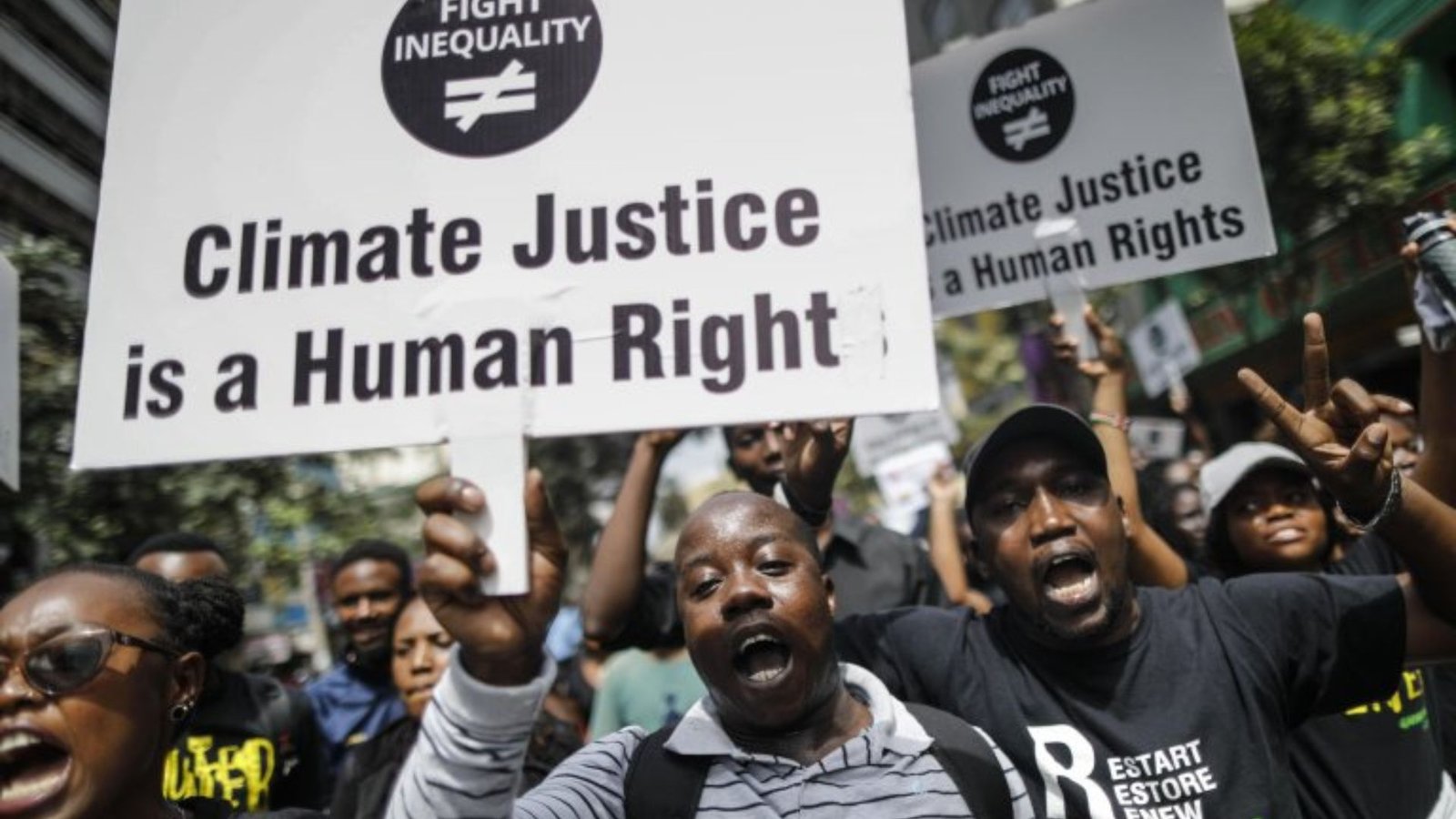
    • Climate justice: Advocates are calling for policies that ensure those most impacted by climate change, including marginalized groups, are given a voice in decision-making and are supported in recovery efforts.
    • Human rights frameworks: Human rights organizations are increasingly incorporating climate change into their advocacy work, recognizing that climate justice is an essential part of human rights.

    Conclusion

    Climate change is a global crisis that affects human rights in numerous ways, from displacement to health risks and food insecurity. Vulnerable populations are disproportionately impacted, and their fundamental rights, such as the right to life, health, and education, are at risk. Addressing these challenges requires urgent action at the local, national, and global levels to ensure climate justice for all.